
Player gripping a game controller in a dark room lit by screen glow

Player Guides & Surrounding Highlights

Level Up Your Playstyle

Field-tested best practices for challenge runners, secret hunters, ranked grinders, chaos experimenters and hardware tinkerers, plus the events and communities worth following.

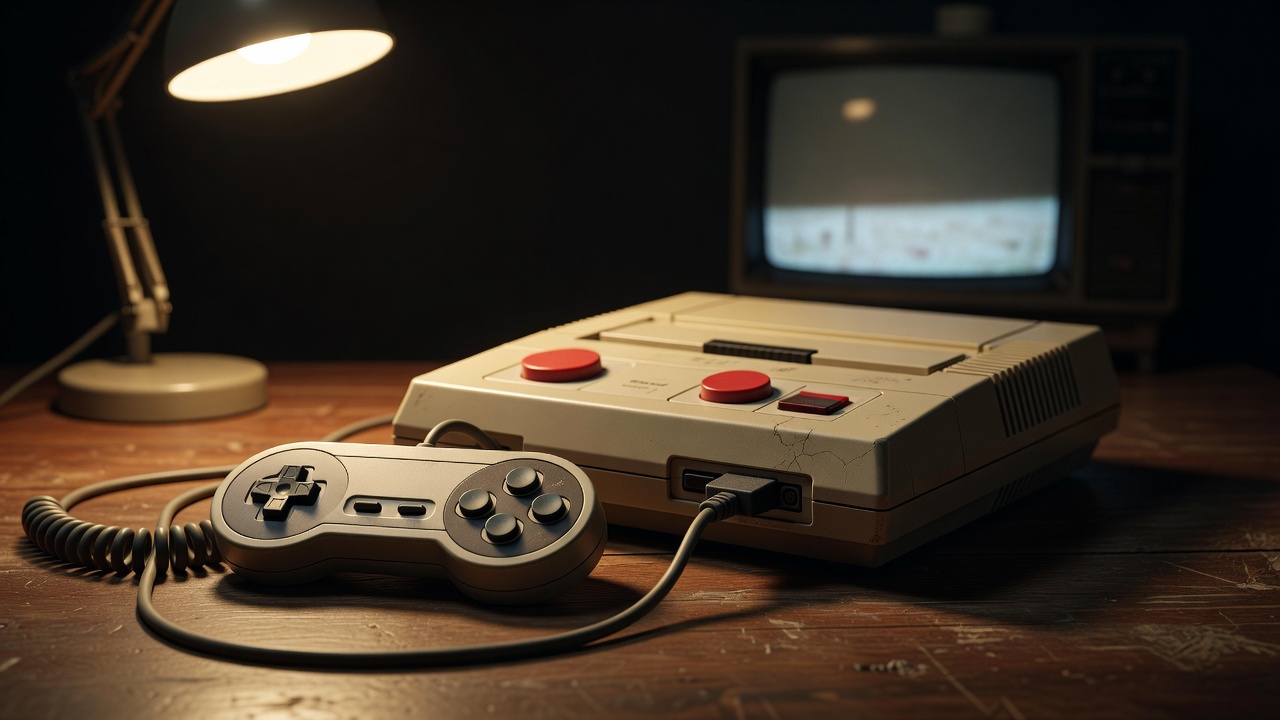
Retro console and controller symbolising classic challenge run culture
01 · Challenge Runs

How to Design Your First Challenge Run

A great challenge run has one clear rule, a measurable win condition and room for creativity. "Beat Elden Ring at Rune Level 1" is perfect: easy to verify, brutally hard, endlessly replayable.

The 4-step blueprint

  • Pick a pillar: damage (no-hit), progression (level 1), equipment (fists only) or time (speedrun).
  • Write the ruleset: define what counts as a fail, which glitches are banned and whether summons or spirit ashes are allowed.
  • Track splits: free tools like LiveSplit let you log segments and spot where runs die.
  • Scale up: clear one boss hitless before attempting a full no-hit run. Celeste's Golden Strawberries are the perfect training ladder.

Pro tip: record every attempt. Reviewing a single death often reveals a pattern you can't feel in the moment.


Colourful nebula in deep space representing cosmic mystery games
02 · Hidden Secrets

Hunting Secrets Without Spoiling the Magic

Games like Outer Wilds and Tunic are built on knowledge, not stats. One spoiler can erase hours of discovery, so hunt smart.

  • Keep a notebook. Tunic's invented script and Outer Wilds' ship log reward players who sketch symbols, maps and theories.
  • Distrust walls. In FromSoftware games, suspicious dead ends often hide illusory walls.
  • Revisit with new eyes. Fresh knowledge reshapes old areas. Return after every major discovery.
  • Use hint-only threads. Ask for nudges ("where should I look?") rather than solutions.
Esports tournament stage with players competing under bright lights
03 · Competitive

A 20-Minute Competitive Warm-Up Routine

Ranked sessions go better when your hands and head are already in the game. This routine works for tactical shooters like VALORANT and mechanical games like Rocket League.

00–05 MIN

Mobility and flick drills in the practice range or free play.

05–12 MIN

Deathmatch or custom training packs focused on one weakness.

12–17 MIN

One unrated or casual match to read game sense and comms.

17–20 MIN

Hydrate, set a session goal, and set a stop-loss after two losses.

RGB-lit gaming PC desk setup used for gameplay experiments
04 · Gaming Experiments

Running Crazy Gameplay Experiments

Systemic games such as Baldur's Gate 3 let rules collide in unexpected ways. Treat it like a lab: form a hypothesis, change one variable, observe.

  • Make a separate save before every experiment so the main run stays clean.
  • Test environmental interactions: surfaces, elevation, fire, water and stacking objects.
  • Log results with clips. Many celebrated community tricks began as a "what if" moment.
  • Respect online players. Keep disruptive experiments in single-player or private lobbies.
Modern wireless gamepad on a desk representing gaming hardware
05 · Gaming Tech

Tuning a Handheld PC for Long Sessions

Handhelds like the Steam Deck OLED trade raw power for freedom. A few settings make a dramatic difference:

  • Frame caps: locking at 40–45 FPS with a matching refresh rate often feels smoother than an unstable 60.
  • Performance overlay: watch wattage and temperatures to find each game's sweet spot.
  • Upscaling: FSR can recover performance in demanding titles with minimal clarity loss on a 7.4-inch screen.
  • Storage: a fast microSD card is fine for most indie and older titles; keep AAA games on internal SSD.
06 · Surrounding Highlights

Events & Communities Worth Following

The challenge and competitive scenes live beyond the game itself. These real, long-running hubs are where records fall and metas shift.

07 · Player Wellbeing

Grind Hard, Rest Harder

  • Take a 5–10 minute break every hour; stretch wrists and look into the distance.
  • Set session limits for high-tilt challenge attempts and ranked queues.
  • Use accessibility options freely. Celeste's Assist Mode and Tunic's no-fail mode exist so more players can reach the end.
08 · FAQ

Frequently Asked Questions

What is a challenge run in gaming?

A playthrough with self-imposed rules such as no damage, minimum level, restricted weapons or no deaths, designed to test mastery beyond the normal game.

How do I find hidden secrets without spoilers?

Keep a notebook, revisit areas with new tools or knowledge, test odd geometry, and use hint-only community threads rather than full walkthroughs.

How is the Compass Score calculated?

It averages five editorial pillars: challenge potential, secret density, replay value, skill ceiling and innovation. See our methodology.

Can I buy games through Cheersquarankcompass?

No. We are an independent editorial directory. Every purchase or download happens on the official provider page.